 Pip’s World
I build a personalized story app, so treat what follows with the skepticism it deserves. But I'd rather write the honest version than the brochure, because the brochure version of this is genuinely annoying.
The claim, and what's actually behind it
The pitch you usually see is that children engage more with a story they're in. That part is true, and it isn't marketing — it's just how attention works. Your own name is the most over-trained signal in your brain. Adults pick their name out of a conversation across a noisy room. Children do it more strongly, not less.
So yes: a child hearing their own name in a story sits up. That's real, and it's immediate.
What's less honest is what usually gets claimed next — that this makes children read better, sleep better, or become more confident. Those are much bigger claims and the evidence for them is thin. Personalization buys attention. What you do with the attention is the part that matters.
Where it genuinely earns its place
Three situations where I think it does real work:
A child who has decided they don't like stories. Some children check out of books early, usually because sitting still lost a competition with something else. Being in the story is a way back in. It's a hook, and hooks are legitimate.
A child working through something specific. Being a bit scared of the dark, starting school, a new baby, a friendship that's gone wrong. A story where a character with your name and your bedroom handles that thing is a rehearsal. Children process at a distance — but not too much distance.
Continuity over time. This is the one I'd defend hardest. A single personalized story is a nice novelty that gets read twice. A story that continues — the same friends, turning up night after night, remembering what happened last time — becomes something a child looks forward to at 6pm. That's not the name doing the work. That's serialization, which is why children's television has always worked that way.
Where it's just a gimmick
Also worth saying plainly:
Name-swapping alone wears off fast. If the only personal thing is a name dropped into a generic template, children clock it. They may not articulate it, but interest drops within a few readings. Personalization is a floor, not a product.
It does not replace reading to your child. Nothing does. The value of a parent reading aloud is mostly the parent, not the text. A personalized story is worth having on the nights you can't, and alongside on the nights you can. Anyone selling it as a substitute is selling something else.
It shouldn't be a flattery machine. There's a version of personalization where the child is the hero, is the best, wins everything, and is admired by everyone in the book. Children enjoy this in the way they enjoy sweets. A story where the child's character is scared, gets it wrong, and tries again is worth ten of those — and children re-read those ones more, which is the giveaway.
The question worth asking
If you're weighing one of these up — mine or anyone else's — the useful question isn't "is it personalized?" It's:
Does the child in this story get to be a whole person, or just a name?
Do they get to be nervous, or grumpy, or wrong about something? Does the story let a problem be genuinely difficult before it resolves? Is there anything to come back for tomorrow?
If the answer's yes, the personalization is doing something. If it's a template with a mail-merge, it's a birthday-card trick, and your library card is better value.
What we tried to do about it
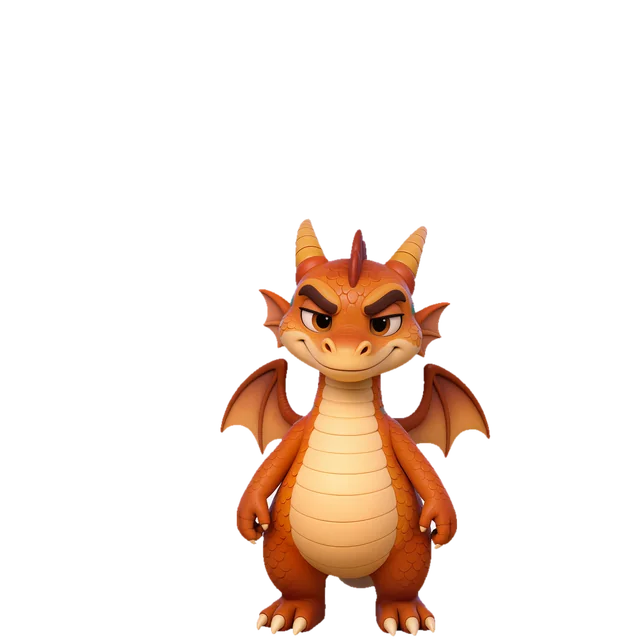
For what it's worth, that question is the one Pip's World is built around. The child isn't the hero who saves everyone. Pip is a small dragon who worries about everything twice, the child is the friend who helps him do the frightening thing anyway, and both of them are allowed to find it hard. The story continues each night and remembers what happened, so there's something to come back for.
Whether we've pulled that off is for parents to judge, and the first story is free precisely so you can judge it without paying for the privilege.
But the honest answer to the question in the title: personalization is a real effect, a small one, and it's worth exactly as much as the story wrapped around it.